
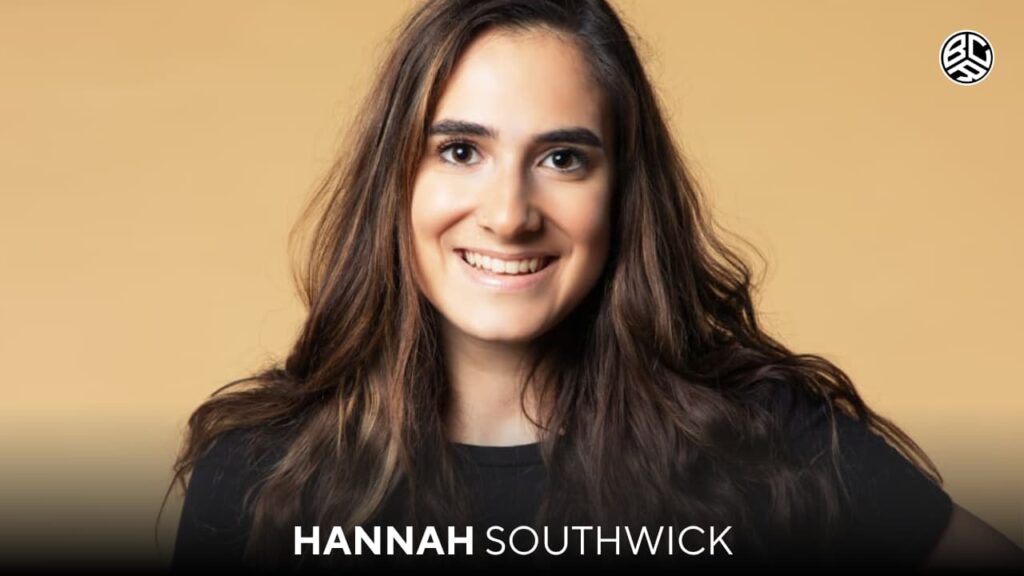
There is a category of media professionals whose influence is wide and whose name most readers never encounter. They are the writers behind the stories you actually click on the celebrity shopping guides, the red carpet breakdowns, the interviews where a major star talks about her skincare routine or her luggage brand. Hannah Southwick is exactly that kind of professional, and her career at Page Six and the New York Post has made her one of the more consequential voices in celebrity fashion and lifestyle journalism without her becoming a household name herself.
As of 2026, she serves as Associate Commerce Editor at Page Six, a role that sits at the intersection of celebrity journalism and shopping culture, two of the most reliably trafficked corners of the internet. Understanding her work means understanding both what she does and why that work matters more than its surface-level subject matter might suggest.
Quick Reference
| Category | Detail |
| Current Role | Associate Commerce Editor, Page Six |
| Education | Colby College English and Studio Art; University College Cork Art History |
| Previous Employers | Reviewed (USA Today), Parade, Hearst Magazines |
| Specialisation | Celebrity fashion, beauty, lifestyle, shopping journalism |
| Notable Interviews | Martha Stewart, Megan Fox, Eva Mendes, Brooke Shields, Ashley Graham |
| Additional Skills | Photography, cyanotype printmaking, visual art |
| Portfolio | HannahSouthwick.com |
Education: Where the Journalist and the Artist Meet
Hannah Southwick studied English and Studio Art at Colby College in Maine, a combination that already signals something about how she approaches her work. English provides the analytical and writerly foundation. Studio Art brings a visual intelligence and a way of looking at the world that shapes how someone covers fashion, beauty, and aesthetic culture.
She also studied abroad at University College Cork, where her academic focus extended to Art History and English. The international academic experience, with its emphasis on cultural and historical context for art and literature, added another dimension to a professional profile that was already unusually well-rounded for someone entering journalism.
That background is not incidental. Fashion journalism done well requires exactly the combination her education offered: the ability to write clearly and compellingly, the visual literacy to understand why an outfit or a design choice matters, and the cultural awareness to situate both within a larger context. Many journalists in this space have one or two of those qualities. Hannah Southwick appears to have all three.
Career Path: From Internships to Associate Commerce Editor
Her career trajectory is a solid example of how media careers tend to actually develop rather than how they are sometimes romanticised. It moved through internships, staff writing roles, and positions at a range of publications before landing at Page Six, where she has built the most significant and visible portion of her professional profile.
Early Roles and Development
Before her current position, she worked as a Style Staff Writer at Reviewed, the product review division of USA Today. She also contributed to Parade and worked with Hearst Magazines, the publisher behind titles like Harper’s Bazaar, Elle, and Cosmopolitan. These roles gave her a grounding in both long-form magazine journalism and the faster, more traffic-oriented world of online product and style coverage.
Campus publications at Colby College and early internship experience at Page Six itself rounded out a development phase that gave her genuine breadth across different types of editorial environments before she settled into her current focus.
Page Six: Commerce Meets Celebrity
Her role as Associate Commerce Editor at Page Six places her in a specific and increasingly important corner of media: commerce journalism. This is the practice of writing about products, shopping recommendations, and retail trends through a journalistic rather than purely advertising lens. At a celebrity-focused outlet like Page Six, commerce journalism means linking shopping recommendations directly to the celebrities who wear, use, or endorse them.
It is a format that drives enormous traffic and genuine reader engagement, because it answers a question that millions of people have simultaneously: where can I get what she was wearing, using, or recommending? The answer requires both journalistic rigour actually interviewing the celebrity, verifying the product, identifying the brand and shopping expertise knowing what is worth buying, what is reasonably priced, and what the reader will actually want.
Writing Portfolio: The Interviews and Features That Define Her Work
The range of celebrity names that appear in her bylined work gives a clear picture of the level at which she operates. Interviews with Martha Stewart, Megan Fox, Eva Mendes, Brooke Shields, Ashley Graham, and Gabby Windey represent a portfolio of subjects that spans generations, industries, and audiences. These are not minor celebrity profiles; they are interviews with figures who command significant public interest and are genuinely selective about who gets access to them.
Her fashion and beauty reporting covers celebrity-loved luggage brands, skincare routines, red carpet style analysis, and luxury shopping guides. Her television and costume design features have included analyses of the fashion in The Sopranos, interviews around Bridgerton’s costume design, and beauty coverage connected to Euphoria.
That Sopranos piece is worth noting specifically. Analysing the sartorial significance of a television series set in the late 1990s and early 2000s requires the kind of cultural and historical fashion literacy that only develops when someone has genuinely engaged with both the subject and the critical frameworks around it. It is a more intellectually demanding assignment than it might appear, and the fact that it appears in her portfolio speaks to the breadth of what she brings to the commerce and style beat.
Beyond Journalism: Photography and Visual Art
One of the more distinctive aspects of Hannah Southwick’s professional profile is that it does not stop at writing. She is also a working photographer and visual artist, with a particular specialisation in cyanotype photography, an alternative photographic printing process that produces distinctive blue-toned images and requires a specific technical knowledge base.
Her visual art explores themes of reflection, memory, and temporality, which gives her creative practice a philosophical dimension that connects, perhaps not coincidentally, to the kind of journalism she does. Writing about fashion and style is, among other things, writing about how appearance creates meaning over time, how what people wear tells stories about who they are and what they value. A photographer interested in memory and temporality is working in adjacent territory.
She maintains a portfolio website at HannahSouthwick.com and is listed on Muck Rack and The Org, confirming her active professional presence across both journalism and creative work.
Conclusion
Hannah Southwick represents a model of modern media journalism that is more complex and more skilled than the celebrity shopping beat might initially suggest. She brings a liberal arts education with genuine visual and cultural depth, a career built across multiple editorial environments, meaningful access to significant celebrity subjects, and a creative practice outside journalism that informs and enriches what she does inside it.
Her name may not be the one that appears in the headlines, but her work is part of what makes those headlines worth reading. That is exactly the kind of influence that tends to compound over a career, and her trajectory suggests she is building something with real longevity in a media landscape where that is genuinely rare.
Discover Also Judy Schelin: Who You’re Actually Searching For and Why the Name Is So Hard to Spell

M Adnan Akram is the founder and lead writer at Back Casting Room, where he covers celebrity biographies, family histories, and the lesser-known figures behind well-known names. His work focuses on separating verified public information from speculation, drawing on publicly available records, interviews, and credible reporting to build accurate, well-researched profiles.
With a particular interest in entertainment and pop culture, Adnan writes about everything from celebrity net worth breakdowns to the private individuals connected to famous names, the spouses, family members, and background figures whose stories rarely get told in full.
At Back Casting Room, the goal is straightforward: give readers accurate, well-sourced information without the clickbait or unverified claims that often surround celebrity-adjacent stories.