

Bob Mackie Cause Of Death: Designer Died Of Pneumonia At 87
Bob Mackie, the Hollywood costume designer nicknamed “the Sultan of Sequins,” died of pneumonia at age 87, according to his…



The Back Casting Room: The Unsung Engine Behind Every Great Film and TV Production
When you see a lively street in a period drama, a full stadium in a sports film, or a busy restaurant in a romantic comedy, you’re watching the work of people who rarely get credit and the space that brings them together. The background casting room is one of the most overlooked parts of film and television production, yet without it, even the best-written scenes can feel empty.
Background actors and extras play a vital role in visual storytelling, transforming empty sets into vivid, believable worlds. Every bustling crowd, authentically styled passerby, and carefully placed background figure comes from a casting process that is far more detailed and demanding than it might seem at first glance.
What Is a Back Casting Room?
A back casting room is a dedicated space on a film or television set where the organization and management of background actors takes place. Unlike the main casting department, which focuses on lead and supporting roles, the back casting room is entirely devoted to extras—the hundreds or even thousands of performers who fill scenes without speaking lines.
This room is far more than a waiting area. It serves as an operational hub where casting calls are conducted, performers are evaluated and selected, wardrobe fittings are coordinated, and the day-to-day logistics of managing large groups of background talent are handled.
In many ways, it functions as a “production within a production,” complete with its own staff, systems, and workflows. Its efficiency and organization are crucial, because the authenticity and visual impact of a scene often depend on how seamlessly the background performers are integrated.
Why Background Casting Deserves Its Own Space
It’s tempting to treat extras as interchangeable as if a crowd can be assembled from a basic call sheet and that’s enough. But productions that take this approach often end up with background scenes that feel flat and unconvincing, like a collection of random people simply placed in the frame.
The best productions know that background casting is an art form. Every extra helps shape the visual language of a scene. Are they the right age for the setting? Do they fit the era and atmosphere? Can they blend in naturally, without stealing glances at the camera? And does the crowd reflect the diversity needed to make the world on screen feel authentic and believable?
These are casting questions, and they require the same thoughtfulness at scale that goes into any other casting decision. The back casting room exists because handling that volume and that level of detail needs a dedicated environment and a dedicated team.
What Actually Happens Inside
Casting Calls and Auditions
The process begins with casting calls tailored to the specific needs of each scene. The back casting room holds auditions and open calls where potential background performers are evaluated not just for looks, but for their ability to behave naturally in a scene without drawing focus.
Casting directors and their teams assess physical characteristics, movement, temperament, and how each person photographs. Someone can look perfect in person and still read strangely on camera. The audition process filters for that.
For productions with specific requirements a period piece that needs a crowd of Victorian-era factory workers, for example casting directors may run targeted calls to find performers who fit a very precise visual brief.
Database Management and Scheduling
Behind every casting decision is a significant amount of data. A well-run back casting room maintains a comprehensive casting database covering every registered extra: contact information, physical measurements, availability, experience, special skills, and previous credits.
This database is what makes rapid casting possible. When a director calls for 200 background performers to fit a specific profile on short notice, the casting team can pull from a pre-vetted pool rather than starting from scratch. Scheduling tools that track availability and coordinate call times are just as essential coordinating large groups of people across long shoot days is genuinely complex logistics work.
Modern productions use dedicated casting software to manage all of this, and the casting department is where that technology is put to work daily.
Wardrobe and Makeup Coordination
Once extras are selected for a scene, the team coordinates costume and makeup fittings. This step is where the visual consistency of the background gets locked in.
A crowd scene set in 1940s Chicago requires period-accurate clothing for every single person on screen. A scene set in a contemporary hospital needs appropriate scrubs, ID badges, and realistic props for background medical staff. Even something as simple as a modern street scene requires that extras aren’t wearing logos or clothing that creates continuity problems or licensing issues.
The production manages the pipeline of fittings, alterations, and approvals that ensures every background performer looks like they actually belong in the world the production is building.
On-Set Communication and Management
The work doesn’t stop when filming starts. Background casting teams coordinate closely with assistant directors on set to ensure the right extras are in the right place at the right time, properly dressed and briefed on their behavior within a scene.
This requires constant communication between the casting room and the set adjusting numbers, replacing no-shows, and responding to last-minute changes in scene requirements. It’s the kind of behind-the-scenes coordination that’s invisible when it works and immediately obvious when it doesn’t.
The People Who Run It
Background Casting Directors
The background casting director leads the operation. They’re responsible for understanding the creative vision of each scene, translating that vision into casting requirements, and building the team and systems that can deliver. They work closely with the primary casting director and the production’s art and costume departments to ensure visual continuity.
Casting Associates and Coordinators
On larger productions, the casting team is staffed by associates and coordinators who handle the day-to-day work: reviewing submissions, scheduling auditions, managing the database, coordinating fittings, and communicating call times and logistics to background performers.
Extras and Background Performers
The performers themselves are professionals in their own right. Experienced extras understand how to stay in character, how to move naturally within a scene, how to take direction without needing extensive coaching, and how to remain engaged across multiple takes. The casting room evaluates all of this experienced background talent, makes a production run more smoothly and shows on screen.
What Makes a Back Casting Room Work Well
Strong Systems and Technology
Disorganization in this space creates problems that ripple through the entire production. Casting software that keeps the database clean, scheduling tools that prevent double-booking, and clear communication channels between the casting team and set are non-negotiable on any production scale.
The best teams also maintain detailed records of who worked on which scenes continuity requires that the same extras appear in the same positions across multiple shooting days that will be edited into a single continuous sequence.
Clear Creative Briefing
Casting teams rely on clear, specific direction to understand what each scene truly needs. When guidance is vague, background performers can end up feeling generic or out of place. Detailed creative briefs covering elements like visual style, age range, movement, period accuracy, and any unique requirements help ensure the right performers are selected to enhance the scene.
Respect for Background Performers
This one matters more than productions sometimes acknowledge. Extras who feel respected, informed, and professionally treated show up reliably, perform more naturally, and bring the kind of quiet commitment that makes backgrounds feel alive rather than populated.
A well-run casting operation sets the tone for that relationship from the first casting call through the final shooting day.
Common Challenges and How They’re Handled
Last-minute changes are a constant in production. Scenes get rewritten, shoot days shift, and the number of extras required can change overnight. The best casting rooms maintain a reserve pool of vetted extras who can be mobilized on short notice.
Continuity across shooting days requires meticulous record-keeping. If a scene is shot over three days, the background in every take needs to match. Detailed logs, photographs from fitting days, and clear communication with the wardrobe keep this under control.
Managing large numbers of people efficiently takes real organizational skill. Clear communication about call times, locations, and what to wear prevents the kind of on-set chaos that eats into shooting schedules.
FAQs
What is a back casting room?
A back casting room is a designated area within a film or television production where background performers, often called extras, are coordinated and managed. Unlike principal casting, which focuses on lead and speaking roles, this space is used to handle tasks such as auditions, scheduling, wardrobe preparation, and organizing extras for their roles during filming.
Why is background casting important?
Extras transform empty sets into believable worlds. Thoughtful casting ensures that crowds, pedestrians, and background characters look authentic, move naturally, and fit the visual and historical context of a scene. Poorly cast backgrounds can make a scene feel artificial or distracting.
What happens in a back casting room?
Activities include:
Holding auditions and evaluating extras for appearance, movement, and camera presence.
Managing databases with performers’ details, availability, and experience.
Coordinating wardrobe and makeup to maintain visual continuity.
Communicating with the set to ensure the right extras are in the right place at the right time.
Who works in a back casting room?
Key personnel include:
Background Casting Directors – oversee the creative and operational aspects of background casting.
Casting Associates and Coordinators – handle day-to-day logistics like scheduling and database management.
Extras/Background Performers – professionals trained to behave naturally and follow direction in scenes.
What challenges does a back casting room face?
Common challenges include last-minute scene changes, continuity across multiple shooting days, and managing large groups of performers efficiently. Solutions involve maintaining a reserve pool of extras, detailed records and photos for continuity, and strong communication systems.
Conclusion
The back casting room doesn’t make the trailer reel. You won’t hear it mentioned in press junkets or awards speeches. But every production that achieves the kind of visual richness that makes a story feel real owes a significant debt to the work done in that room.
From the first casting call to the final fitting, from the database that tracks thousands of performers to the coordination that gets the right faces on set at the right time, background casting is quiet, detail-oriented, and essential. The next time a crowd scene stops you in its tracks because it just looks real, you’re seeing the back casting room at its best.

Bob Mackie, the Hollywood costume designer nicknamed “the Sultan of Sequins,” died of pneumonia at age 87, according to his representatives. The cause of death…

If you’ve seen Yung Gravy’s name pop up next to a new face on red carpets lately, you’re not alone. The rapper’s girlfriend, Ari Kytsya,…

Blake Lively is shaking up her inner circle, parting ways with longtime publicist Leslie Sloane months after settling her bruising legal battle with “It Ends…

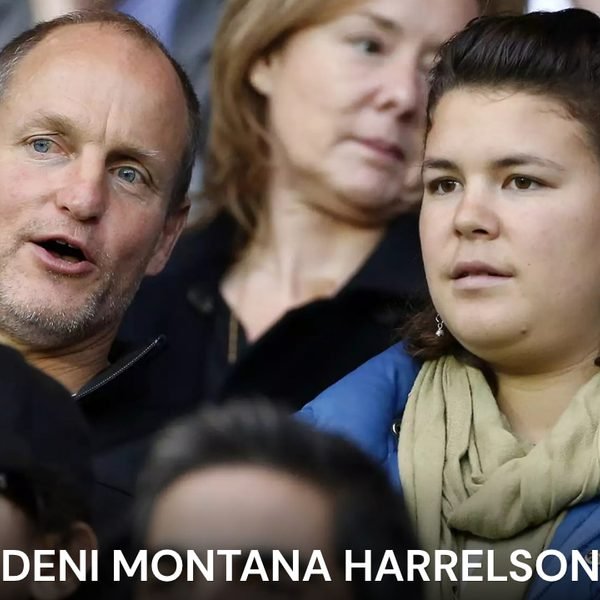
Deni Montana Harrelson is the eldest of Woody Harrelson’s three daughters, and the child whose birth the actor has credited with fundamentally changing him. While…

Taylor Swift made MTV Video Music Awards history on Sunday, September 27, becoming the most-awarded artist in the show’s history after receiving the network’s brand-new…

Kyler Efinger’s death made international headlines in January 2024 after he entered the engine of a parked aircraft at Salt Lake City International Airport. Two…
Pages
Proudly powered by Backcastingroom