
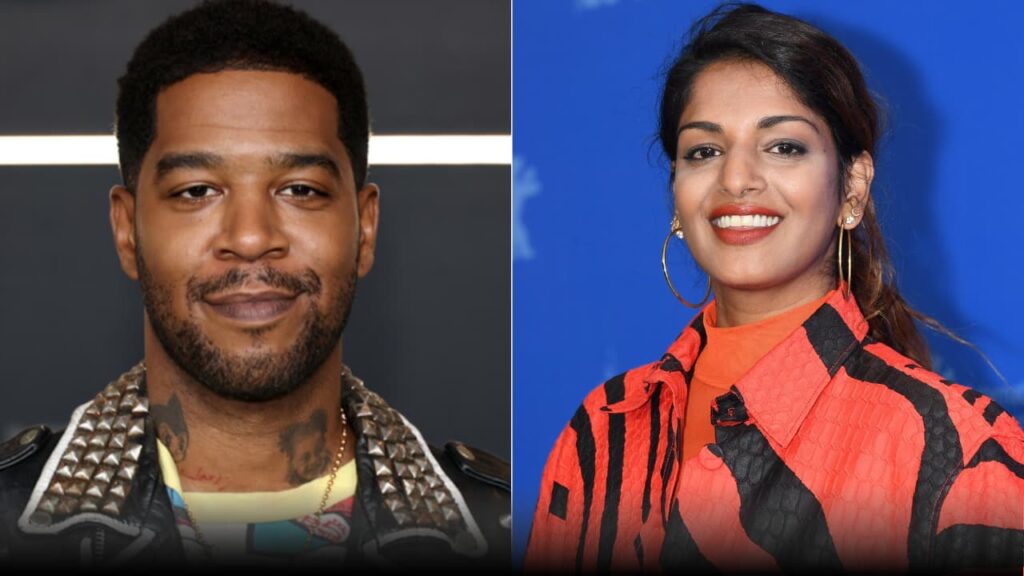
A sudden shift has unfolded on the North American tour led by Kid Cudi, after the artist made the decision to remove M.I.A. from the lineup following a controversial onstage moment that quickly drew backlash.
The incident occurred during a recent performance in Dallas, where M.I.A., who had been scheduled as an opening act, delivered a series of political remarks that departed from her planned set. According to multiple reports, she referred to herself in political terms and made comments touching on immigration, prompting an immediate reaction from the audience. The response was notably divided, with audible boos and visible discomfort among attendees, and some fans reportedly leaving the venue early.
Clips from the performance spread rapidly across social media, amplifying the reaction beyond the arena and placing both artists under intense public scrutiny. Within a short time, Kid Cudi addressed the situation, confirming that M.I.A. would no longer be part of the tour. In his statement, he emphasized that he had previously communicated clear expectations regarding the tone of performances and had asked that politically charged or potentially divisive remarks be avoided during the shows.
He explained that the decision ultimately came down to maintaining the experience for his audience, noting that he had received a wave of feedback from fans following the Dallas performance. For Cudi, the focus of the tour remains on music and shared energy, and he made it clear that anything disrupting that atmosphere would be taken seriously.
M.I.A., for her part, responded publicly, defending her remarks and suggesting they had been misinterpreted. She pointed to her long-standing history of political expression and framed the reaction as part of a broader pattern of criticism she has faced over the years. Rather than issuing an apology, she questioned what she described as an increasingly narrow space for artists to speak freely.
The tour itself, often referred to as the Rebel Ragers Tour, is continuing as scheduled, now without her involvement. Other performers, including established names in hip-hop and electronic music, remain part of the lineup, and no replacement act has been formally announced.
The episode has sparked a wider conversation about the role of politics in live performances, particularly in settings where audiences may expect an escape rather than confrontation. It also highlights the delicate balance artists must navigate between personal expression and the expectations of a diverse fan base.
Discover Also The 2026 Met Gala Officially Kicks Off in New York

M Adnan Akram is the founder and lead writer at Back Casting Room, where he covers celebrity biographies, family histories, and the lesser-known figures behind well-known names. His work focuses on separating verified public information from speculation, drawing on publicly available records, interviews, and credible reporting to build accurate, well-researched profiles.
With a particular interest in entertainment and pop culture, Adnan writes about everything from celebrity net worth breakdowns to the private individuals connected to famous names, the spouses, family members, and background figures whose stories rarely get told in full.
At Back Casting Room, the goal is straightforward: give readers accurate, well-sourced information without the clickbait or unverified claims that often surround celebrity-adjacent stories.