

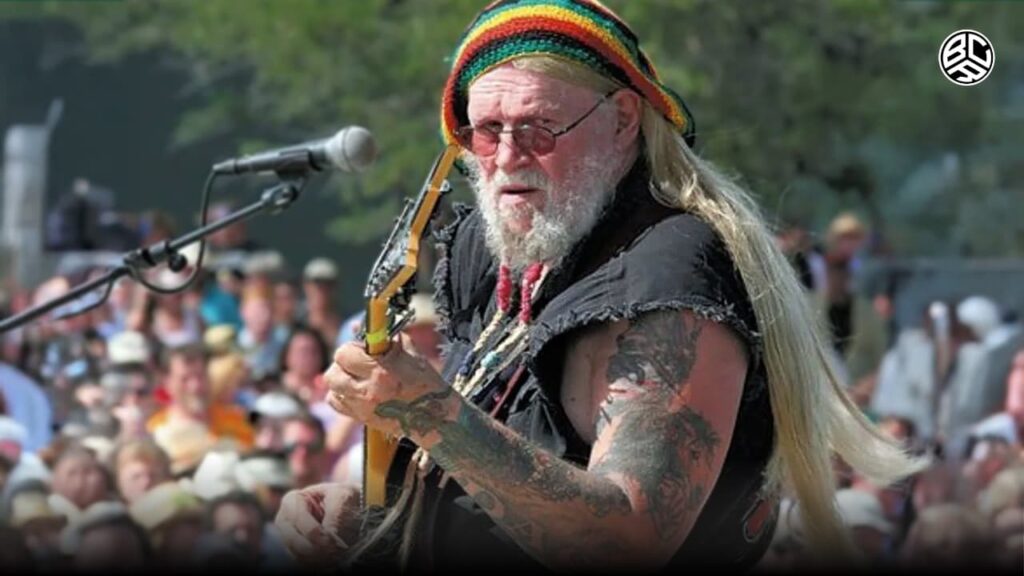
David Allan Coe, a defining yet deeply polarizing figure in American country music, has died at the age of 86. News of his passing was confirmed on April 29, 2026, marking the end of a career that spanned decades and left a complicated but undeniable mark on the genre. Known for his association with the outlaw country movement and for a songwriting style that blended raw honesty with defiance, Coe’s legacy remains both influential and contested.
| Category | Detail |
|---|---|
| Full Name | David Allan Coe |
| Profession | Singer-songwriter |
| Genre | Outlaw country, country, blues |
| Born | September 6, 1939 |
| Place of Birth | Akron, Ohio, United States |
| Died | April 29, 2026 |
| Age at Death | 86 |
| Era of Prominence | 1970s–1980s |
| Associated Movement | Outlaw country |
| Notable Song (Writer) | “Take This Job and Shove It” (popularized by Johnny Paycheck) |
| Signature Song | “You Never Even Called Me by My Name” |
| Collaborations | Linked with artists like Willie Nelson, Waylon Jennings |
| Musical Style | Raw, rebellious, storytelling-focused |
| Early Life | Reported troubled youth, time in reform institutions |
| Reputation | Influential but controversial |
| Major Controversies | Criticism over explicit and racially offensive recordings |
| Legacy | Helped shape outlaw country; remains a polarizing figure |
A Voice of the Outlaw Era
Emerging in the 1970s, Coe became closely tied to the outlaw country movement, a subgenre that rejected the polished production of Nashville’s mainstream sound. Alongside figures such as Willie Nelson and Waylon Jennings, Coe contributed to a shift that prioritized creative independence and authenticity.
His music often carried a rebellious tone, rooted in personal experience and a resistance to industry norms. This approach resonated with audiences who were seeking something more grounded and unfiltered. While he was never as commercially dominant as some of his peers, his influence within the movement was widely recognized.
Signature Songs and Songwriting Legacy
Among Coe’s most enduring contributions is his songwriting. He wrote “Take This Job and Shove It,” a song that became a major hit for Johnny Paycheck and remains one of the most recognizable working-class anthems in country music.
As a performer, Coe is perhaps best known for “You Never Even Called Me by My Name,” a track that has been described as a quintessential country song, blending humor with self-awareness. The song’s conversational tone and narrative structure helped cement Coe’s reputation as a storyteller capable of capturing the spirit of everyday life.
His catalog spans numerous albums and recordings, reflecting a wide range of themes from hardship and resilience to humor and introspection.
Early Life and Personal Journey
Born in 1939, Coe’s early life was marked by instability and hardship. Various accounts describe a youth spent in and out of reform institutions, experiences that would later inform his music and public persona. These formative years shaped the gritty, often autobiographical nature of his songwriting.
By the time he entered the music industry, Coe had already developed a reputation as an outsider. That identity would follow him throughout his career, reinforcing both his appeal and the controversies that would later surround him.
Controversy and Criticism
Coe’s career cannot be separated from the controversies that defined much of his public image. Some of his recordings, particularly those not released through mainstream channels, included explicit and racially offensive material. These works drew widespread criticism and continue to be a source of debate.
As a result, Coe remained a polarizing figure. Supporters often point to his musical contributions and authenticity, while critics highlight the offensive nature of certain recordings and the impact they had on his legacy.
This duality between artistic influence and personal controversy has become central to how Coe is remembered.
Influence on Country Music
Despite the controversies, Coe’s influence on country music is difficult to dismiss. His work contributed to shaping the identity of outlaw country, a movement that continues to inspire artists seeking independence from traditional industry structures.
His emphasis on storytelling, emotional honesty, and musical simplicity can be seen in the work of later generations. For many, Coe represented a version of country music that was unfiltered and deeply personal.
Even those who distanced themselves from his more controversial material have acknowledged the role he played in expanding the boundaries of the genre.
Later Years and Legacy
In his later years, Coe continued to perform and record, maintaining a loyal fan base. While he remained outside the mainstream spotlight, his music continued to circulate among listeners who appreciated his distinctive voice and perspective.
His passing has prompted renewed discussion about his place in country music history. For some, he is remembered as a talented songwriter and a pioneer of the outlaw movement. For others, his legacy is overshadowed by the controversies that followed him throughout his life.
A Complex Farewell
The death of David Allan Coe closes a chapter in country music that was as complex as it was influential. His career reflects both the possibilities and the challenges of artistic freedom and how it can lead to innovation, but also to division.
As the industry reflects on his life and work, one thing remains clear: Coe’s impact, in all its complexity, will continue to be part of the conversation around country music for years to come.
Discover Also Taylor Swift Fights AI Deepfakes In New Legal Push

M Adnan Akram is the founder and lead writer at Back Casting Room, where he covers celebrity biographies, family histories, and the lesser-known figures behind well-known names. His work focuses on separating verified public information from speculation, drawing on publicly available records, interviews, and credible reporting to build accurate, well-researched profiles.
With a particular interest in entertainment and pop culture, Adnan writes about everything from celebrity net worth breakdowns to the private individuals connected to famous names, the spouses, family members, and background figures whose stories rarely get told in full.
At Back Casting Room, the goal is straightforward: give readers accurate, well-sourced information without the clickbait or unverified claims that often surround celebrity-adjacent stories.