
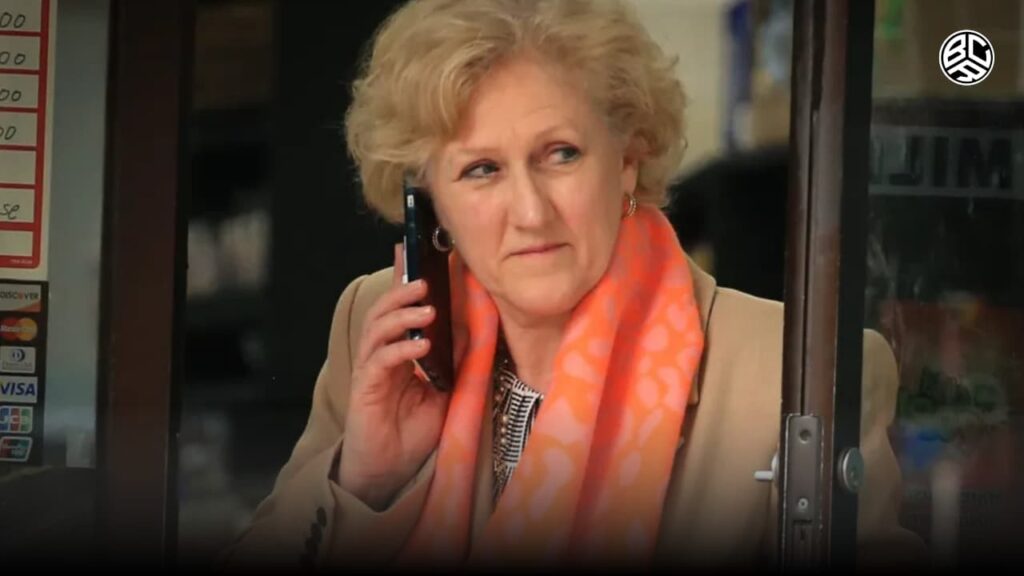
Most attorneys spend their careers largely out of the public eye. Legal work, even when it involves high-stakes cases and significant financial responsibility, tends to stay within courtrooms and filing systems that the general public never sees. Sabrina Morrissey is an exception not because she sought fame, but because the case she became responsible for made national headlines and refused to leave them.
As the court-appointed legal guardian of former talk show host Wendy Williams, Morrissey stepped into one of the most scrutinized guardianship arrangements in recent memory. Understanding who she is, how she came to hold this role, and what has happened since requires separating confirmed facts from the considerable speculation that has surrounded the case.
How Sabrina Morrissey Became Wendy Williams’ Guardian
The path to guardianship began in early 2022, when Wells Fargo raised formal concerns with a New York court about Wendy Williams’ financial situation. The bank flagged possible financial exploitation and questioned Williams’ capacity to manage her own affairs, a serious set of allegations that prompted judicial review.
A New York judge responded by placing Williams under financial guardianship and appointing Sabrina Morrissey, a New York attorney, to serve in that role. She was first named as temporary guardian in March 2022, with the appointment confirmed in May 2022. Notably, a family member was not selected; the court chose an outside attorney instead, a decision that would later become a point of public discussion.
What a Court-Appointed Guardian Actually Does
The term guardianship can mean different things depending on the case. In Morrissey’s role, her legal authority extended across financial management, estate protection, major medical and legal decisions, and oversight of living arrangements. These are not advisory responsibilities a legal guardian has binding authority over the decisions that fall within the scope of the appointment.
Court filings associated with the case described Williams as cognitively impaired, permanently disabled, and legally incapacitated language entered into the record by Morrissey’s legal team as part of the guardianship proceedings.
The Documentary Lawsuit
In February 2024, Morrissey took legal action that brought significant additional attention to the case. She filed a lawsuit against A&E Networks and Lifetime in an attempt to block the release of the documentary Where Is Wendy Williams?, arguing that the production had exploited Williams during a vulnerable period and that Williams had not been capable of properly consenting to the project.
The court ultimately allowed the documentary to air. The film brought Williams’ health and living situation to a much broader public audience, and it also raised questions from viewers, commentators, and Williams’ own family about how the guardianship was being managed and whether Williams’ wishes were being respected.
Public Controversy and Williams’ Own Response
As the documentary circulated and media coverage intensified through 2024 and into 2025, Wendy Williams herself became increasingly vocal about her feelings regarding the guardianship. She said publicly that she did not want Morrissey in the role, described her situation as feeling like she was in a kind of confinement, and disputed the characterization of herself as cognitively impaired. She expressed a clear desire to see the arrangement ended.
Morrissey’s legal team responded to these reports directly, stating that claims about Williams being isolated or improperly cared for were inaccurate and incomplete. They maintained that Williams was receiving appropriate care, had access to family visits, and was able to travel.
The dispute put two competing narratives in direct tension: the guardian’s position that protective oversight was both necessary and properly administered, and Williams’ own stated experience of the arrangement. Without access to sealed court records, it is difficult for outside observers to fully evaluate either account.
Compensation and Financial Oversight
One detail that emerged in a March 2025 report added another layer to the public conversation. Morrissey’s lawyer stated that she had received a single payment of $300,000 for her guardian services. The full compensation structure including any additional fees, expenses, or future payments is not publicly available because the relevant financial records remain within sealed court proceedings.
That figure drew attention partly because guardianship compensation, particularly in cases involving significant estates, is an area where critics of the broader guardianship system have raised questions about financial incentives and oversight. Whether that scrutiny applies fairly to this case specifically is a question that public records alone cannot answer.
What Remains Unknown
It is worth being direct about the limits of what is publicly confirmed about Sabrina Morrissey as a person. Her age, educational background, personal biography, family situation, and net worth are not reliably documented in public sources. Many websites have published speculative figures and details about her personal life, but none of these appear to be drawn from verified reporting or primary sources.
She is not a public figure in the way that politicians, entertainers, or business leaders are. She became newsworthy because of a specific legal role, and almost everything known about her exists within that context. That is not unusual for attorneys who operate primarily in the court system rather than in public-facing roles.
Conclusion
Sabrina Morrissey entered public consciousness not through any deliberate pursuit of visibility but through a legal appointment that placed her at the center of a deeply human and deeply contested story. Her role as Wendy Williams’ guardian has involved real legal authority, significant controversy, and a level of public scrutiny that most attorneys never experience.
What the case ultimately reveals is less about Morrissey as an individual and more about how guardianship proceedings work and how rarely they are examined until a high-profile situation forces them into the light. The questions her appointment raised about judicial oversight, family rights, and the rights of the person under guardianship are questions the legal system will continue to grapple with long after this particular case is resolved.
Discover Also Emmaleigh Barringer: The Tragic Case That Changed West Virginia Law

M Adnan Akram is the founder and lead writer at Back Casting Room, where he covers celebrity biographies, family histories, and the lesser-known figures behind well-known names. His work focuses on separating verified public information from speculation, drawing on publicly available records, interviews, and credible reporting to build accurate, well-researched profiles.
With a particular interest in entertainment and pop culture, Adnan writes about everything from celebrity net worth breakdowns to the private individuals connected to famous names, the spouses, family members, and background figures whose stories rarely get told in full.
At Back Casting Room, the goal is straightforward: give readers accurate, well-sourced information without the clickbait or unverified claims that often surround celebrity-adjacent stories.