
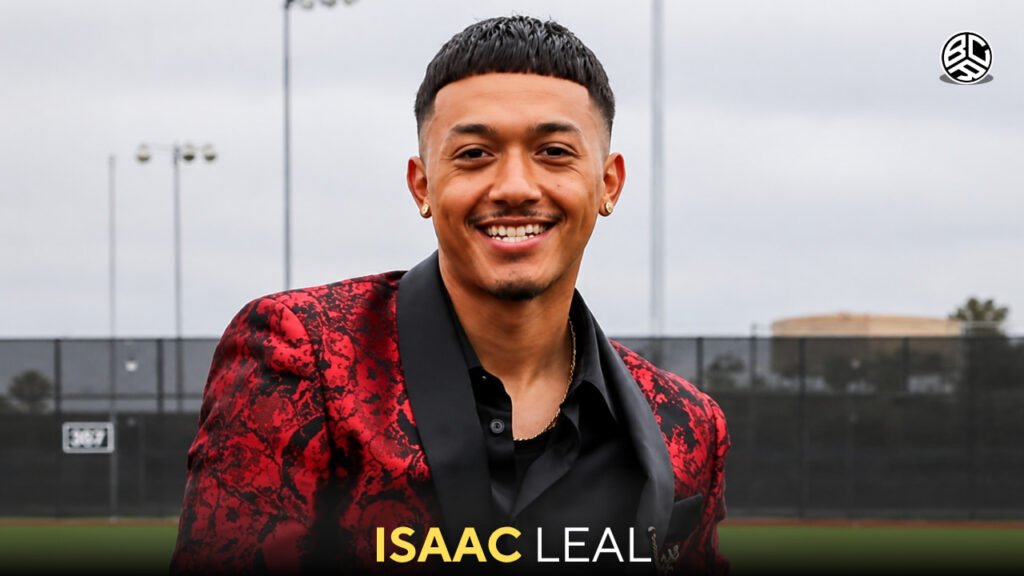
Isaac Anthony Leal was 17 years old, a pitcher for his high school baseball team, and weeks away from graduating. In April 2025, he was playing a game that thousands of seniors across the country play every year. He did not make it to graduation.
His death on June 2, 2025, after more than a month on life support, brought the viral student tradition known as “Senior Assassin” into a national conversation about risk, youth, and how quickly an ordinary afternoon can turn into something no family recovers from the same way.
Who Was Isaac Leal?
Isaac Leal was a senior at South Grand Prairie High School in Grand Prairie, Texas. He was part of the school’s baseball program as a pitcher for the South Grand Prairie Warriors and by the accounts of his teammates and coaches, he was a genuinely valued member of the team and the Class of 2025.
His father, Jose Leal, described him as a fighter throughout the weeks he spent in the hospital. Teammates and friends remembered someone with a positive personality and a real passion for baseball, a young man who was building toward something and had every reason to expect a future in the sport he loved.
He was the kind of teenager whose obituary should not have been written at 17.
What Is a Senior Assassin?
For those unfamiliar with the game, Senior Assassin is a popular student tradition that typically emerges each spring among graduating high school seniors. Players are assigned targets through an app and attempt to “eliminate” each other by spraying them with water guns. The last person standing wins.
The game is playful in concept water guns, assigned targets, a social app and it has spread widely across the United States as a graduation season tradition. Most participants finish the school year having had a harmless, memorable experience.
But the competitive nature of the game, the tracking of other students’ movements, and the improvised situations players find themselves in can occasionally create conditions where the stakes become very different from what anyone intended.
Isaac’s death is the most visible reminder of that possibility.
The Accident
In April 2025, Isaac was participating in Senior Assassin in an Arlington, Texas neighborhood. At some point during the game, he climbed onto the back of a Jeep Wrangler. The vehicle began moving through the neighborhood, and after making a turn, Isaac fell. He struck the ground and suffered a severe head injury.
Emergency services responded and transported him to the hospital unconscious. Security footage from the area was reviewed by investigators during the subsequent inquiry.
Police later determined that there was no evidence the driver was operating recklessly or attempting to harm Isaac. No criminal charges were filed. The sequence of events, as investigators reconstructed it, was a tragic accident, a young person making a split-second decision that had consequences no one anticipated.
More Than a Month on Life Support
After the fall, Isaac spent more than a month in the hospital on life support. His family maintained hope throughout that period. Jose Leal spoke publicly about noticing signs of responsiveness moments that suggested Isaac might still be fighting. The baseball community at South Grand Prairie rallied around the family, and the story drew attention well beyond North Texas.
On June 2, 2025, Isaac died. The Tarrant County Medical Examiner ruled his cause of death as a blunt force injury to the head, and the death was classified as accidental.
He was 17. He never made it to graduation.
A Broader Conversation About Senior Assassin
Isaac Leal’s death prompted a significant public discussion about the risks associated with Senior Assassin not because the game is inherently designed to cause harm, but because the situations it creates can escalate in ways that are difficult to predict or control.
Students tracking each other, moving through neighborhoods at unusual hours, making impromptu decisions in pursuit of game objectives all of these create conditions where judgment and safety can be compromised, even without any intention of recklessness.
In the aftermath of Isaac’s death, parents, school administrators, and community officials in multiple states raised concerns about the game and whether schools should address it more directly. His case became a reference point in those conversations, a specific, named tragedy that gave the discussion a human weight it might otherwise have lacked.
Conclusion
Isaac Leal was a pitcher, a teammate, a son, and a senior with plans ahead of him. He died from a fall during a student game that most people thought of as harmless fun.
His story does not argue that the game should be banned or that anyone acted with malice. It argues something simpler and harder to dismiss: that a moment’s decision can end a life, and that the young people we love are not immune to consequences just because they are young.
The South Grand Prairie Warriors baseball program remembered him as part of their family. He was.
Discover Also Joanna Brown Worcester: What Happened to the Beloved Bakery Worker

M Adnan Akram is the founder and lead writer at Back Casting Room, where he covers celebrity biographies, family histories, and the lesser-known figures behind well-known names. His work focuses on separating verified public information from speculation, drawing on publicly available records, interviews, and credible reporting to build accurate, well-researched profiles.
With a particular interest in entertainment and pop culture, Adnan writes about everything from celebrity net worth breakdowns to the private individuals connected to famous names, the spouses, family members, and background figures whose stories rarely get told in full.
At Back Casting Room, the goal is straightforward: give readers accurate, well-sourced information without the clickbait or unverified claims that often surround celebrity-adjacent stories.