
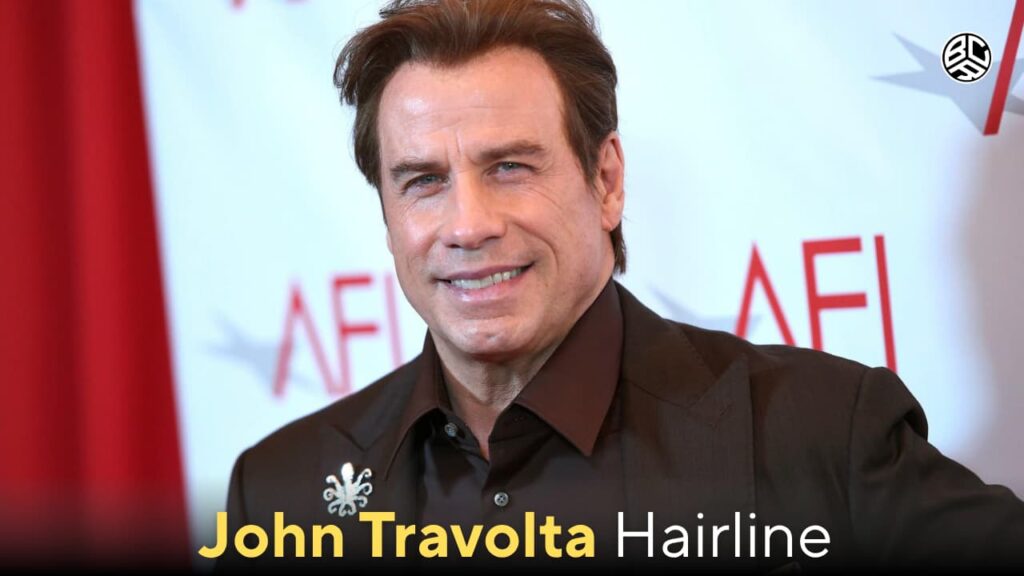
For decades, John Travolta has remained one of Hollywood’s most recognizable faces. From his early days in iconic films to his later career reinventions, his appearance has often been part of the conversation. Among the most talked-about aspects is his evolving hairline, which has sparked curiosity, speculation, and eventually, admiration.
What makes his journey interesting isn’t just the visible changes, but how openly or quietly those changes have unfolded over time.
The Natural Evolution of His Hairline
A Common Condition: Androgenetic Alopecia
Like many men, Travolta has experienced male pattern hair loss, medically known as Androgenetic alopecia. This condition typically develops gradually and is influenced by genetics and aging.
By the late 1990s and early 2000s, public photos began to show:
- A receding hairline
- Noticeable thinning at the crown
These changes were not unusual. In fact, they align closely with what millions of men experience as they move into their 40s and beyond. Hair follicles become more sensitive to hormones, leading to gradual thinning and recession.
Why It Happens
Male pattern baldness follows predictable patterns:
- The hairline moves backward
- The crown area becomes thinner
- Over time, these areas may merge
Travolta’s hairline changes followed this typical progression, making his experience relatable rather than exceptional.
The Role of Wigs and Hairpieces
A Hollywood Standard
As his career continued, Travolta often appeared with a full head of hair, especially in films and public events. This led to widespread discussion about the use of wigs and hairpieces.
While he has not publicly confirmed every instance, visual evidence strongly suggests that he has worn them at various points.
What People Noticed
Observers pointed out several indicators:
- Sudden shifts in hair density
- Changes in hairline placement
- Differences in style consistency
These variations were particularly noticeable when comparing red carpet appearances with candid photos.
Why Actors Use Them
In the entertainment industry, appearance is often tied to roles. Wigs and hairpieces are commonly used to:
- Maintain a specific look for a character
- Match continuity in films
- Enhance on-screen presence
For someone like Travolta, whose roles have ranged widely, using such tools is not unusualit’s part of the profession.
The Hair Transplant Speculation
What Has Been Said
Over the years, some media outlets and experts have speculated that Travolta may have undergone a hair transplant. These discussions are typically based on:
- Changes in hairline shape
- Temporary improvements in hair density
What Is Actually Confirmed
There is no direct confirmation from Travolta himself regarding any transplant procedure.
That distinction matters. Without a verified statement or medical record, these claims remain speculation rather than fact.
Understanding the Difference
Hair restoration procedures can produce natural-looking results, which sometimes makes it difficult to distinguish between:
- Transplants
- High-quality hairpieces
- Styling techniques
In Travolta’s case, the lack of confirmation keeps this topic in the realm of possibility, not certainty.
A Defining Moment: Embracing the Bald Look
The Shift Around 2019
One of the most noticeable changes came around 2019, when Travolta began appearing publicly with a shaved head. He shared photos on social media and attended events without wigs or hairpieces.
This marked a clear shift in how he presented himself.
A Different Kind of Confidence
The decision to go fully bald wasn’t just about appearance it signaled a level of acceptance. Instead of maintaining the illusion of a full hairline, he chose to embrace his natural look.
This move resonated with many people, especially those facing similar changes.
Public Reaction and Cultural Impact
A Positive Response
Fans and media largely responded with support. Many praised his:
- Confidence
- Authenticity
- Willingness to age naturally
In an industry often associated with maintaining a youthful image, this change stood out.
A Broader Conversation
His transformation also contributed to a wider discussion about aging in Hollywood. It challenged the idea that celebrities must always hide signs of aging and instead highlighted the value of embracing them.
For many, it became a reminder that change is not something to resist, but something to accept.
Film Appearances vs Real Life
On Screen
In movies, Travolta continues to appear with styled hair, often using wigs or hairpieces. This is standard practice for actors, as different roles require different looks.
Off Screen
In everyday life, he is frequently seen with:
- A shaved head
- A natural, relaxed appearance
This contrast between professional and personal presentation is common in the film industry. It allows actors to adapt to roles while maintaining their preferred look in real life.
Why His Hairline Story Matters
Travolta’s experience reflects a broader reality. Hair loss is:
- Extremely common
- Often misunderstood
- Sometimes unnecessarily stigmatized
By moving from concealment to acceptance, he has shown that there is no single “right” way to deal with it.
Some people choose treatments or styling solutions, while others embrace the change fully. Both approaches are valid, and his journey highlights that flexibility.
Final Thoughts
The story of John Travolta hairline is not about a dramatic transformation or a single defining moment. It’s a gradual, natural process shaped by aging, professional demands, and personal choice.
He experienced typical hair loss, used industry tools like wigs when needed, and eventually chose to embrace a bald look in his personal life. Along the way, he sparked conversations about authenticity and aging topics that extend far beyond Hollywood.
In the end, what stands out isn’t the change itself, but the way he handled it. Quietly, confidently, and on his own terms.
Discover Also Eva Marcille Twin Sister: Facxt-Checking One of the Most Persistent Celebrity Rumours

M Adnan Akram is the founder and lead writer at Back Casting Room, where he covers celebrity biographies, family histories, and the lesser-known figures behind well-known names. His work focuses on separating verified public information from speculation, drawing on publicly available records, interviews, and credible reporting to build accurate, well-researched profiles.
With a particular interest in entertainment and pop culture, Adnan writes about everything from celebrity net worth breakdowns to the private individuals connected to famous names, the spouses, family members, and background figures whose stories rarely get told in full.
At Back Casting Room, the goal is straightforward: give readers accurate, well-sourced information without the clickbait or unverified claims that often surround celebrity-adjacent stories.