
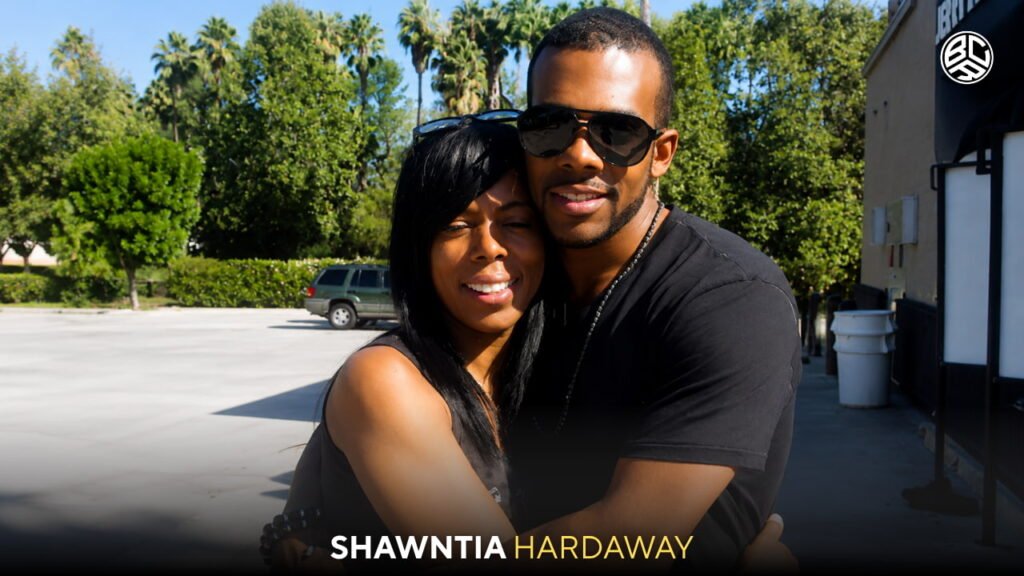
Some people shape a life without ever standing in a spotlight. Shawntia Hardaway was one of them.
She was the mother of Mario the Baltimore-born R&B singer and actor who broke through in the early 2000s with hits like “Just a Friend 2002” and “Let Me Love You” and her influence on his life runs deeper than most fans know. She recognized his gift when he was four years old and handed him a microphone. She took him to talent shows. She lit something in him that became a career.
She also struggled with heroin addiction for much of his life, a battle that shaped him just as profoundly as her early encouragement did. Her story is not an easy one. But it is a real one documented honestly by her son, marked by love alongside hardship, and concluded in June 2017 when she passed away.
Shawntia Hardaway never sought public attention. It found her anyway, through a son who refused to let her fight alone.
Quick Summary
| Category | Details |
|---|---|
| Full Name | Shawntia Hardaway |
| Nationality | American |
| Known For | Mother of R&B singer Mario |
| Son | Mario (Mario Dewar Barrett) |
| Former Partner | Derryl Barrett Sr. |
| Residence | Baltimore, Maryland (publicly associated) |
| Public Recognition | MTV documentary I Won’t Love You to Death |
| Major Challenge | Long-term heroin addiction |
| Death | June 2017 |
| Cause of Death | Not publicly disclosed |
| Verified Social Media | None found |
Early Life and Background
Shawntia Hardaway was from Baltimore, Maryland, the city that shaped her son’s artistic identity and remains central to how he talks about his life and roots. Very little verified public information exists about her childhood, education, or personal history before Mario’s birth; she was not a public figure, and the details of her early life were never the subject of journalism or record.
What is known is that she entered a relationship with Derryl Barrett Sr., a gospel singer with the group Reformation, and on August 27, 1986, gave birth to Mario Dewar Barrett the child who would eventually become one of R&B’s most recognizable voices of his generation.
The Mother Who Recognized Mario’s Gift
Before addiction entered the picture and before any of the harder chapters began, Shawntia Hardaway was simply a mother watching her young son do something that clearly came naturally to him.
Mario has said that when he was around four years old, she noticed how much he loved singing and bought him a karaoke machine. It was not a passive gift; she followed it by entering him in local talent shows, advocating for his participation, and creating space for the talent she saw in him to develop in front of audiences.
That kind of early investment matters. The karaoke machine becomes practice. The talent shows become performance experiences. The mother who pays attention becomes the first audience who takes you seriously. Mario would later credit her belief in his music as one of the things that set him on the path to a professional career.
The Accident and the Addiction
At some point after Mario’s early childhood, everything changed.
According to Mario’s account, Shawntia was in a serious car accident in which she suffered a neck injury. She was prescribed pain medication for the injury and what followed was the pattern that has played out in millions of American lives: prescription opioids, dependency, and eventually heroin.
Her addiction was not a moral failure or a character flaw. It was a medical trajectory that begins with legitimate pain management and ends somewhere most people would not recognize as possible from the starting point. Understanding that does not make it less devastating for the people inside it but it matters for how the story is told.
For much of Mario’s childhood, Shawntia was not the mother who had bought him a karaoke machine. She was someone caught inside a disease that was bigger than her ability to manage it alone. Mario was largely raised by his maternal grandmother, Alternease Hardaway, while his mother struggled.
That reality growing up watching someone you love lose themselves to addiction is one that Mario has been remarkably open about across his career. He has spoken about it in interviews, written about it in music, and channeled it into work that directly addresses the experiences of children like himself.
The MTV Documentary: Putting the Story on Screen
In 2007, Mario made the decision to document his family’s experience publicly. The result was an MTV documentary titled I Won’t Love You to Death: The Story of Mario and His Mom, which followed his efforts to help Shawntia enter rehabilitation and begin the process of recovery.
The title itself is telling. Loving someone through addiction is not the same as enabling them but the line between the two requires constant navigation, and the documentary did not shy away from that complexity. It showed a son who was genuinely trying to help his mother without losing himself in the attempt, and a mother who was genuinely trying even when trying felt impossible.
The documentary received significant attention for its honesty. At a time when addiction in celebrity families was more often hidden than examined, Mario and Shawntia chose transparency and in doing so, gave a public face to an experience that millions of families were navigating privately.
The Do Right Foundation
Following the documentary, Mario established the Do Right Foundation, a charitable organization dedicated to supporting children who are growing up in households affected by parental drug and alcohol addiction. The foundation’s mission is drawn directly from his own experience as a child who needed support that was not always available.
That decision to translate personal pain into institutional support for others in similar situations is the most significant professional legacy that comes directly from his relationship with his mother. Shawntia’s addiction inspired a foundation. Her son’s response to her struggle created something that continues to help families she will never meet.
The 2010 Incident and Its Resolution
In October 2010, Shawntia called police and accused Mario of assault during an argument. He was arrested. It became a news story.
During court proceedings in November 2010, she recanted her allegations. She stated that she had been under the influence of drugs and alcohol when she contacted police and that Mario had not assaulted her. The charges were subsequently dismissed.
The incident is part of the public record and belongs in any honest account of her life. It also illustrates the specific and painful dynamics that addiction creates within families: the altered perceptions, the desperate moments, the damage to trust on both sides that recovery does not always fully repair.
Her Death and Mario’s Tribute
Shawntia Hardaway died in June 2017. Mario announced her passing through an Instagram post, writing that her soul would “live forever beside” him.
The cause of her death was not publicly disclosed, and there is no verified information about the specific circumstances. She was mourned by those who knew her and by the broader community of Mario’s fans who had followed her story since the 2007 documentary.
Conclusion
Shawntia Hardaway lived a life that was simultaneously private and, through her son’s willingness to be honest about it, very public. She was the mother who saw a singer in a four-year-old and gave him a microphone. She was also someone who spent years caught inside an addiction she did not choose and could not always escape.
Mario became the artist he is, in part, because of her early belief in him. And the foundation he built exists, in full, because of what he watched her go through. Both of those things are true at once and that is the most honest account of who Shawntia Hardaway was.
Discover Also Edward Zuckerberg: The Dentist Who Shaped the Man Who Built Facebook

M Adnan Akram is the founder and lead writer at Back Casting Room, where he covers celebrity biographies, family histories, and the lesser-known figures behind well-known names. His work focuses on separating verified public information from speculation, drawing on publicly available records, interviews, and credible reporting to build accurate, well-researched profiles.
With a particular interest in entertainment and pop culture, Adnan writes about everything from celebrity net worth breakdowns to the private individuals connected to famous names, the spouses, family members, and background figures whose stories rarely get told in full.
At Back Casting Room, the goal is straightforward: give readers accurate, well-sourced information without the clickbait or unverified claims that often surround celebrity-adjacent stories.