
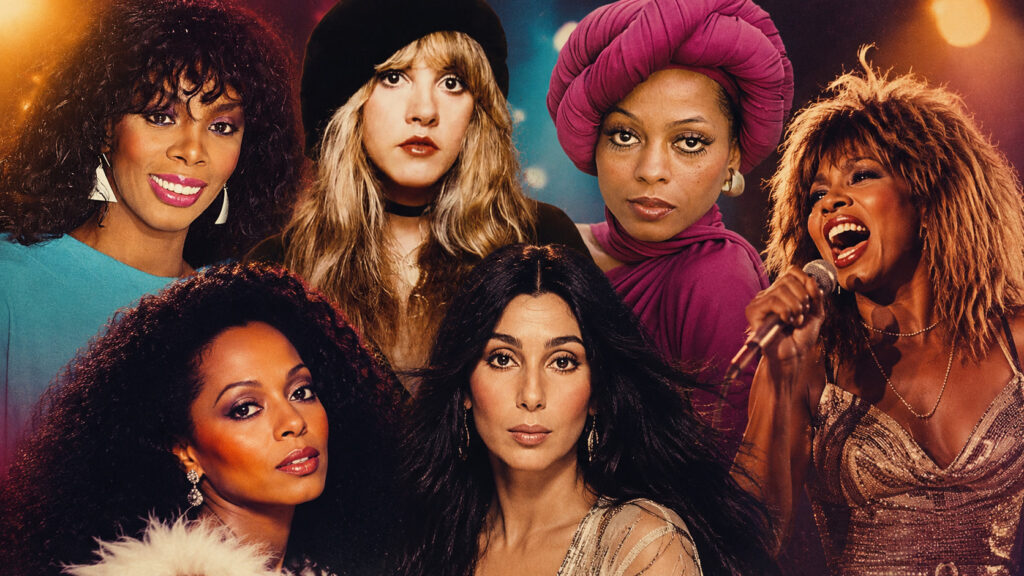
Ask any serious music historian which decade produced the most influential female performers in modern pop culture, and the 1970s makes a genuinely strong case for the top spot. The combination of genres thriving simultaneously disco, rock, soul, folk, punk, and soft rock created an unusually broad platform for women artists, and the names who emerged from that decade have shaped music and popular culture ever since.
This wasn’t a coincidence. The early 1970s came on the heels of the counterculture movement, the second wave of feminism, and a music industry that was expanding rapidly into new genres and new audiences. Women weren’t just participating in that expansion they were often driving it.
Disco: The Genre That Made Female Vocalists Global Superstars
If one genre is inseparable from the image of women in 1970s music, it’s disco. The movement was built on female voices powerful, emotive, celebratory and the clubs and radio stations of the mid-to-late 1970s treated these artists as the centerpiece rather than the supporting act.
Donna Summer became the definitive face of the genre. Her combination of vocal range, studio innovation (producer Giorgio Moroder helped pioneer electronic production through her recordings), and pure stage presence earned her the title “Queen of Disco” and it wasn’t just a marketing phrase. Songs like “Hot Stuff,” “Last Dance,” and “Bad Girls” were defining moments of the era.
Gloria Gaynor’s “I Will Survive” became something more than a disco hit; it became an anthem of female resilience that has outlasted the genre entirely and is still played at weddings and sporting events decades later. The song’s message of independence and self-worth resonated in a way that purely danceable disco often didn’t.
Thelma Houston’s “Don’t Leave Me This Way” added another dimension to what female voices could do within the genre. These artists didn’t simply perform over disco production they made the production serve the vocal performance.
Rock: Women Claim Space in the Genre’s Most Influential Decade
Rock in the 1970s was a male-dominated space, which makes the female artists who carved out significant presence within it all the more notable.
Stevie Nicks is probably the most enduring female rock figure to emerge from the decade. As the lead vocalist and primary creative force within Fleetwood Mac which became one of the bestselling bands of all time during this period and as a solo artist, she created a distinctly feminine rock mystique: bohemian, poetic, otherworldly. Songs like “Dreams,” “Gold Dust Woman,” and “Edge of Seventeen” remain actively listened-to rather than merely historically respected.
Linda Ronstadt demonstrated that versatility was a superpower. She moved fluently between rock, country, and pop, earning massive commercial success and critical respect that were unusual to achieve simultaneously in that era. Her voice, technically exceptional and emotionally direct, became one of the decade’s benchmarks.
Heart, led by sisters Ann and Nancy Wilson, brought a different energy: hard rock guitar work paired with Ann Wilson’s genuinely formidable voice. They pushed against the assumption that women in rock existed primarily as softer, acoustic counterparts to male performers.
Patti Smith occupied a completely different corner of the rock world, emerging from the punk and poetry scene in New York with an approach that prioritized artistic confrontation over commercial appeal. Her influence on subsequent generations of female artists from Chrissie Hynde to PJ Harvey to countless others is difficult to overstate.
Soul and R&B: Continuing a Legacy of Extraordinary Voices
The soul tradition that had produced extraordinary female artists in the 1960s continued into the 1970s with several of the genre’s defining performers.
Aretha Franklin’s 1970s work built on the groundbreaking records she’d made in the late 1960s, extending her dominance of the genre and cementing her status as the standard against which other vocalists would always be measured. Her gospel roots, combined with her ability to inhabit any emotional register, made her recordings feel both technically overwhelming and deeply personal.
Diana Ross navigated the transition from leading The Supremes to solo superstardom with remarkable commercial success. Her 1970s solo work demonstrated that her appeal transcended the Motown era and was genuinely her own rather than a product of the group’s surrounding machinery.
Roberta Flack brought a different quality to the genre, more jazz-influenced, more intimate, more focused on emotional nuance than on vocal power alone. “Killing Me Softly” and “The First Time Ever I Saw Your Face” are ballads that depend entirely on the singer’s ability to inhabit quiet intensity, and she delivered it consistently.
Folk and Singer-Songwriters: Women Write Their Own Stories
One of the most significant cultural shifts of the 1970s was the rise of the singer-songwriter as a commercial and artistic figure and women were central to that movement.
Joni Mitchell is, by most accounts, the pinnacle of this tradition. Albums like Blue, Court and Spark, and Hejira combined musical sophistication with autobiographical honesty in ways that influenced how an entire generation of songwriters thought about what the form could do. Her influence extends far beyond the 1970s artists across multiple decades in multiple genres cite her as foundational.
Carole King’s Tapestry became one of the best-selling albums in history and helped legitimize the idea that women could write and perform their own music at the highest commercial level. The album’s combination of emotional directness and melodic craftsmanship created something that felt both personal and universally relatable.
Carly Simon added another voice to the tradition with “You’re So Vain” and similar songs that treated women’s interior lives, desires, frustrations, observations as worthy of serious artistic attention rather than as background material.
Fashion, Image, and Cultural Impact
The female artists of the 1970s didn’t just make music they created visual and cultural identities that influenced fashion, style, and how women in entertainment were expected to present themselves.
The styles ranged widely because the genres did. Disco called for sequins, platform shoes, and glamour, an aesthetic associated with Studio 54, late nights, and a particular kind of liberation. Rock brought bohemian influences, the flowing fabrics and mystical imagery associated with Stevie Nicks, or the harder-edged leather and denim of Patti Smith and Heart. Folk stayed closer to natural fabrics, acoustic instruments, and a deliberate rejection of the showbusiness aesthetic.
Cher became perhaps the decade’s most extreme fashion figure; her stage outfits, designed primarily by Bob Mackie, made fashion itself part of her artistic statement in a way that anticipated how later performers would use clothing as a communication tool.
What connected all of these different aesthetics was the element of control. These women were making deliberate choices about how they looked and what those choices communicated something that hadn’t always been available to female performers in earlier decades when record labels and management exercised much tighter control.
What Made the 1970s Different
Several conditions came together to make this decade unusually productive for female artists.
The music industry was growing rapidly and needed content across new formats FM radio, eight-track tapes, the album as artistic statement rather than just a singles collection. More commercial opportunities meant more gatekeepers willing to sign diverse artists.
The feminist movement had shifted cultural expectations about what women could do professionally and artistically. Artists like Mitchell and King weren’t just making music they were part of a broader cultural argument about women’s creative authority and their right to tell their own stories.
And the sheer variety of genres meant that different kinds of female artists could find their audience rather than competing in a single narrow lane. Donna Summer and Joni Mitchell were both making important music in the same decade without competing for the same listeners.
Conclusion
The 1970’s women singers who emerged from disco, rock, soul, folk, and punk established a template for female artistic authority in music that subsequent generations have been building on ever since. Taylor Swift, Beyoncé, Lady Gaga, and Adele have all cited influences from this era and the ongoing commercial and cultural vitality of artists like Stevie Nicks and Carole King confirms that the music itself hasn’t aged out of relevance.
The decade produced voices, songs, and artistic personalities that remain genuinely important not as museum pieces of a past era, but as living influences on how music gets made and how female artists navigate the industry. That’s the real legacy of 1970s women in music.
Discover Also David Guetta Las Vegas: Everything You Need to Know About His Residency and Shows

M Adnan Akram is the founder and lead writer at Back Casting Room, where he covers celebrity biographies, family histories, and the lesser-known figures behind well-known names. His work focuses on separating verified public information from speculation, drawing on publicly available records, interviews, and credible reporting to build accurate, well-researched profiles.
With a particular interest in entertainment and pop culture, Adnan writes about everything from celebrity net worth breakdowns to the private individuals connected to famous names, the spouses, family members, and background figures whose stories rarely get told in full.
At Back Casting Room, the goal is straightforward: give readers accurate, well-sourced information without the clickbait or unverified claims that often surround celebrity-adjacent stories.