
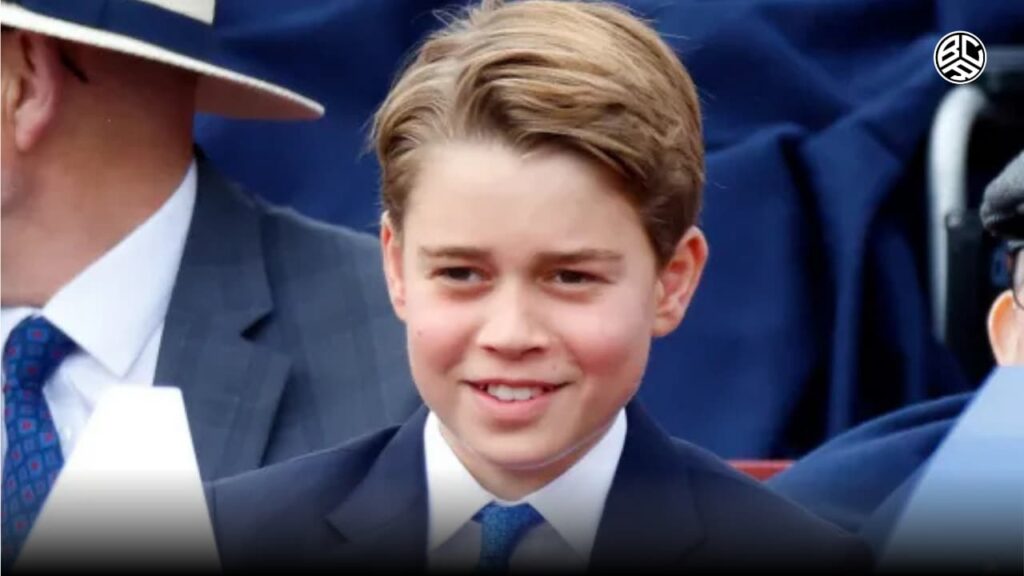
A single conversation at an investiture ceremony at Windsor Castle sparked one of the more heartwarming stories to come out of the British royal family in 2025. Prince William, while receiving OBE recipients, spoke with Wendy Daunt a deaf studies teacher at the Royal School for the Deaf Derby and the exchange quickly found its way into the news. What made it particularly resonant was the subject: the possibility of Prince George learning British Sign Language.
The story spread quickly, partly because of its warmth and partly because it connected to a much larger conversation happening across the UK about deaf inclusion, BSL recognition, and the kind of language education that the next generation deserves. Before examining what it all means, it’s worth being clear about what’s actually confirmed and what remains aspirational.
What Prince William and Wendy Daunt Actually Said
The details of the conversation come from Wendy Daunt herself, who spoke publicly about her meeting with Prince William after receiving her OBE.
Their exchange was conducted through BSL interpretation, which in itself was a meaningful moment of accessibility in an official royal setting. During the conversation, Daunt told William that she believed his children should learn sign language drawing a parallel to Princess Diana, who famously used BSL during public engagements and was remembered warmly by deaf communities for her efforts.
William’s reported response was encouraging. He said he thought Prince George “would like that” and asked whether Daunt could teach him. Her answer was characteristically practical and gracious: she declined to personally take on the role, explaining she felt she wasn’t the right fit, but she suggested that students and teachers from the Royal School for the Deaf Derby would love to meet George instead. William reportedly responded positively, indicating that such a visit “could be arranged.”
What Is and Isn’t Confirmed
This is where careful reading matters.
What is confirmed: Prince William had this conversation with Wendy Daunt. He expressed openness to George learning BSL. A possible future visit to or from the Royal School for the Deaf Derby was discussed positively.
What is not confirmed: Kensington Palace has not issued any official statement about Prince George beginning BSL education. There is no announced teacher, no timetable, no formal educational program. The idea of a school visit remains mentioned but unscheduled.
So the story is real and the sentiment is genuine but anyone reporting that Prince George is “officially studying BSL” is getting ahead of what the evidence actually supports. What exists is a warm conversation, a positive indication from his father, and a possible future connection with a deaf school community.
Why This Story Resonated So Widely
The response to this story was immediate and positive across social media and mainstream press. A few reasons help explain why.
BSL’s legal recognition is recent. British Sign Language was legally recognized as a language in the UK in 2022, a landmark moment for the deaf community after years of campaigning. That recognition is still fresh, and any story that suggests the language is gaining cultural visibility especially among high-profile public figures lands with particular meaning.
Princess Diana’s legacy is still powerful. The explicit comparison to Diana’s use of sign language added an emotional dimension that coverage of royal education doesn’t usually carry. Diana’s relationship with marginalized communities is remembered with genuine affection, and the suggestion that William might be encouraging his son to follow that example touched a real chord.
Inclusion is a conversation the UK is actively having. The story arrived at a moment when schools, policymakers, and advocacy groups are actively pushing for expanded BSL education in British classrooms. It felt, to many, like a symbolic endorsement from an unexpected direction.
The Broader BSL Education Movement
Whatever happens with Prince George specifically, the story sits within a genuinely significant shift in how British Sign Language is being taught to children.
Signature’s “School of Signs” programme has reached more than 2,000 schools across the UK, introducing basic sign language skills to children who might never have encountered BSL otherwise. There’s growing advocacy for a BSL GCSE qualification in England, which would give the language formal academic recognition in secondary schools. Classroom resources for early BSL education are expanding.
For deaf advocacy organisations, Prince William’s reported interest in his son learning BSL even if it remains informal at this stage is the kind of endorsement that carries weight beyond any specific lesson plan. Royal attention to an issue has a documented history of raising public awareness and normalising what might otherwise feel niche.
Who Is Wendy Daunt?
It’s worth knowing more about the woman at the centre of this story. Wendy Daunt is a deaf studies teacher at the Royal School for the Deaf Derby, an institution with deep roots in deaf education. She received her OBE in recognition of her decades of work advocating for deaf education and BSL awareness.
The fact that she used her moment at the investiture ceremony to advocate for sign language education directly, personally, to a member of the royal family says something about both her commitment to the cause and her willingness to use every platform available to advance it.
Conclusion
The Prince George BSL lessons story is, at its core, a story about a conversation that sparked a possibility not yet a confirmed programme, but a genuinely positive indication from a father who seems open to broadening his son’s education in a meaningful direction.
Whether formal lessons happen, whether a visit to the Royal School for the Deaf Derby takes place, or whether this remains a warm exchange that never quite became action, the conversation itself mattered. It generated awareness, it honoured Princess Diana’s legacy of inclusion, and it put British Sign Language into a public conversation it richly deserves to be part of.
For the deaf community in the UK, that’s not nothing. That’s exactly the kind of visibility the movement for BSL education has been working toward.
Discover Also Tom Brady Watch Collection: From Rolex to $3 Million Jacob & Co. Inside the GOAT’s Wrist Game

M Adnan Akram is the founder and lead writer at Back Casting Room, where he covers celebrity biographies, family histories, and the lesser-known figures behind well-known names. His work focuses on separating verified public information from speculation, drawing on publicly available records, interviews, and credible reporting to build accurate, well-researched profiles.
With a particular interest in entertainment and pop culture, Adnan writes about everything from celebrity net worth breakdowns to the private individuals connected to famous names, the spouses, family members, and background figures whose stories rarely get told in full.
At Back Casting Room, the goal is straightforward: give readers accurate, well-sourced information without the clickbait or unverified claims that often surround celebrity-adjacent stories.