

From scene-stealing roles in the ’90s to a deliberately private life today the financial story of one of Hollywood’s most underrated stars.
There’s a particular kind of Hollywood career that doesn’t get talked about enough, the kind built quietly, steadily, without manufactured controversy or relentless self-promotion. Bridget Fonda had exactly that kind of career. Through the late 1980s and into the 1990s, she worked consistently, took interesting roles, and built a reputation as one of the more versatile actresses of her generation. Then, in the early 2000s, she stepped away from it all.
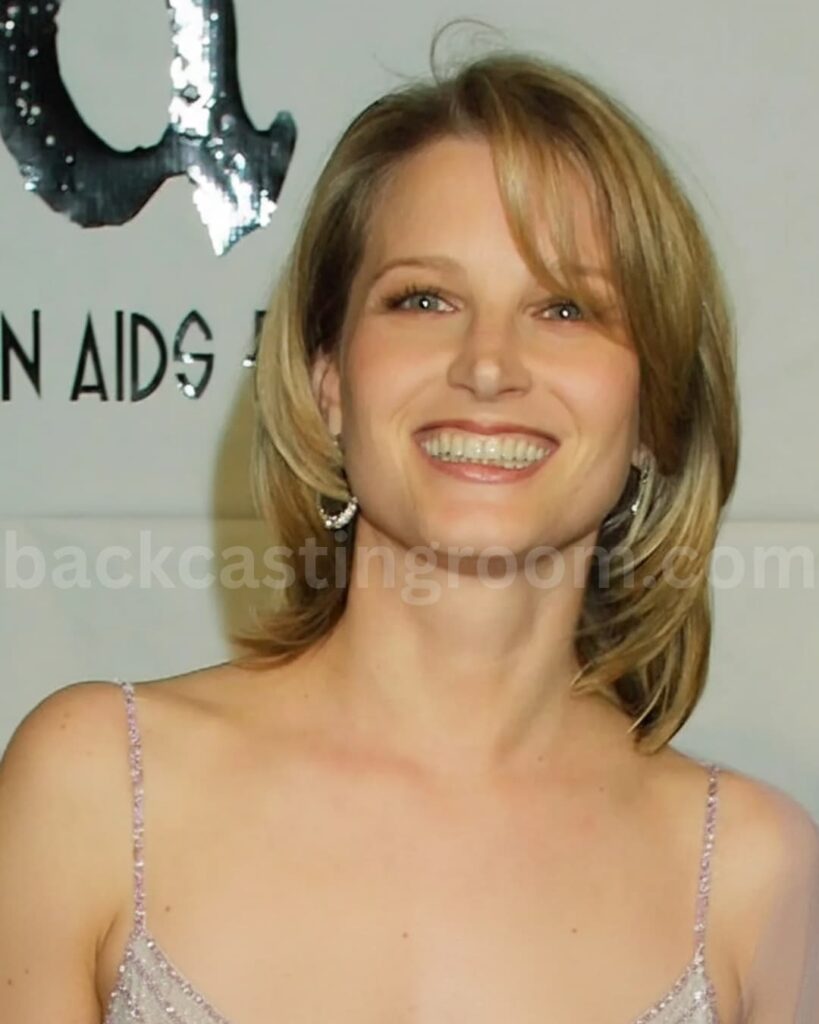
Today, questions about Bridget Fonda’s net worth tend to circulate whenever her name resurfaces in the media. The honest answer is that her exact financial picture isn’t publicly known, she has never disclosed her finances, and she has maintained a genuinely low profile for over two decades. What we do know comes from industry estimates, career analysis, and what can reasonably be inferred from her background and marriage.
The consensus among entertainment finance sources puts her estimated net worth somewhere between $40 million and $60 million. Here’s how that number likely came together.
Financial Summary at a Glance
| Category | Details |
|---|---|
| Estimated Net Worth | $40 million – $60 million |
| Primary Income Source | Acting career (late 1980s–2002) |
| Family Background | Fonda acting dynasty (Henry, Peter, Jane Fonda) |
| Spouse | Danny Elfman (film composer) |
| Current Status | Retired from acting |
| Income Today | Passive / investment-based |
| Lifestyle | Private; California-based |
Who Is Bridget Fonda?
Before getting into the financial details, it helps to understand who Bridget Fonda is and where she came from because context matters enormously when you’re trying to assess how someone built their wealth.
Bridget Jane Fonda was born on January 27, 1964, into one of the most recognizable family names in American entertainment. Her father was Peter Fonda, the actor and director best known for Easy Rider. Her grandfather was Henry Fonda, one of the most celebrated actors in Hollywood history, with films like 12 Angry Men and The Grapes of Wrath defining his legacy. Her aunt is Jane Fonda, the Academy Award-winning actress, activist, and fitness entrepreneur.
Growing up in that family didn’t guarantee success; plenty of Hollywood legacy children have faded quickly but it did provide access, exposure, and a foundation that most aspiring actors simply don’t have.
Acting Career: The Primary Engine of Her Wealth
Breaking Through in the Late 1980s
Bridget Fonda began her career in the mid-1980s with small roles, but she started gaining real attention by the late ’80s. Her early work showed range; she wasn’t trying to coast on her family name, and she took on roles in independent and mainstream films alike.
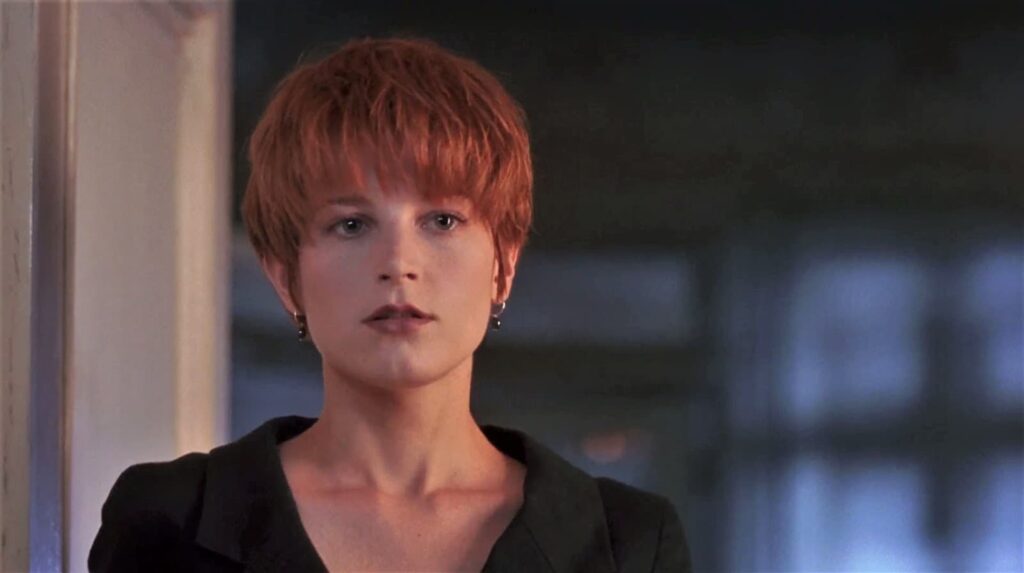
By the early 1990s, she was firmly established as a bankable actress. Films like Single White Female, where she played a woman terrorized by her manipulative roommate, demonstrated she could carry a thriller. Point of No Return the American remake of La Femme Nikita showed she could handle action. These weren’t small productions, and her compensation reflected that.
The Peak Years and Key Roles
The mid-1990s were arguably the high point of Bridget Fonda’s career in terms of both visibility and earning power. She appeared in The Godfather Part III, which placed her alongside some of the biggest names in cinema. She had a memorable role in Quentin Tarantino’s Jackie Brown alongside Robert De Niro and Pam Grier, a film that cemented her status as an actress directors genuinely wanted to work with.
“Through the 1990s, Bridget Fonda worked consistently in both major studio films and prestige productions building a financial foundation that has lasted well beyond her retirement.”
Other notable credits include It Could Happen to You, A Simple Plan, and Lake Placid. These weren’t all critical darlings, but they performed at the box office and kept her profile high through the decade. For an actress working at that level during that period, earnings per film could range significantly but across a decade of consistent lead and supporting roles, the cumulative income was substantial.
Retirement and the End of Active Income
Around 2002, Bridget Fonda largely stepped back from acting. Her last significant role was in the TV movie Snow Queen in 2002. She married film composer Danny Elfman in 2003, and the two have maintained an exceptionally private life since then.
The retirement wasn’t announced with fanfare; she simply stopped taking on projects. Interviews over the years have offered few explanations, though reports have suggested she was comfortable stepping away and had no particular desire to return to the spotlight. Whatever the reason, the financial implication is clear: her acting income effectively ended in the early 2000s, and her wealth since then has been maintained through past earnings and investments rather than new revenue.
Family Wealth and Inheritance
The Fonda name is associated with wealth that extends well beyond any single person’s acting salary. Henry Fonda’s career spanned decades and included some of the most commercially successful films of the 20th century. Peter Fonda, Bridget’s father, had his own financial success. Easy Rider alone was a cultural and commercial landmark that generated significant returns for years.
The specifics of what Bridget may have inherited or received from her family are not publicly documented. Peter Fonda passed away in 2019, and the details of his estate have not been reported in detail. However, it would be reasonable to factor family wealth into any honest assessment of her overall financial picture, even if the exact figures remain unknown.
Marriage to Danny Elfman
One of the more frequently cited factors in discussions of Bridget Fonda’s wealth is her marriage to Danny Elfman, the acclaimed film composer behind the scores of Batman, Edward Scissorhands, Spider-Man, and dozens of other major productions. Elfman is one of the most in-demand composers in Hollywood history, and his estimated net worth ranges from $50 million to $80 million in various industry assessments.
It’s important to be clear here: Danny Elfman’s wealth is his own. Their combined household assets are higher than either person’s individual estimate, but Bridget’s personal net worth and Danny’s are separate figures. The marriage does, however, provide additional context for their lifestyle and long-term financial stability.
Why the Estimate Range Is So Wide
It’s fair to ask why the estimated range $40 million to $60 million spans $20 million. The answer is straightforward: there’s no public data to narrow it down.
No financial disclosures: Bridget Fonda has never publicly released tax information or financial statements.
Private lifestyle: She doesn’t maintain a public social media presence and rarely gives interviews.
Unknown investments: Whether she holds real estate beyond her California home, investment portfolios, or other assets isn’t documented.
Inheritance unknowns: The details of the Fonda family estate distribution have not been publicly reported.
Entertainment finance sites use publicly available information salary ranges for comparable actresses during comparable periods, known property holdings, industry benchmarks to arrive at their estimates. Those estimates consistently land in the $40 million to $60 million range, which gives it some credibility, but the honest position is that the exact number remains unverified.
Conclusion
Bridget Fonda’s financial story is, in many ways, a reflection of her personal story: quietly successful, deliberately understated, and resistant to the kind of public scrutiny that follows most celebrities. She built a meaningful acting career over roughly fifteen years, earned well during her peak in the 1990s, and stepped away before most people expected her to.
The estimated net worth of $40 million to $60 million reflects a combination of real film earnings, the likely influence of family wealth, and the financial stability that comes from smart living rather than conspicuous spending. Add in the household context of her marriage to Danny Elfman, and the picture becomes one of genuine, lasting financial security.
What she doesn’t have and has never seemed to want is the ongoing income that comes from staying in the spotlight. That’s a choice, and it says something about her that the wealth she built during her working years has been enough to sustain a comfortable, private life ever since.
Transparency note: Bridget Fonda’s exact net worth has not been publicly disclosed. All figures in this article are industry estimates based on career earnings analysis, comparable salaries, and publicly available information. They should not be treated as confirmed financial data.
Discover Also Thomas J. Henry Net Worth: How One of America’s Most Aggressive Injury Lawyers Built His Fortune

M Adnan Akram is the founder and lead writer at Back Casting Room, where he covers celebrity biographies, family histories, and the lesser-known figures behind well-known names. His work focuses on separating verified public information from speculation, drawing on publicly available records, interviews, and credible reporting to build accurate, well-researched profiles.
With a particular interest in entertainment and pop culture, Adnan writes about everything from celebrity net worth breakdowns to the private individuals connected to famous names, the spouses, family members, and background figures whose stories rarely get told in full.
At Back Casting Room, the goal is straightforward: give readers accurate, well-sourced information without the clickbait or unverified claims that often surround celebrity-adjacent stories.