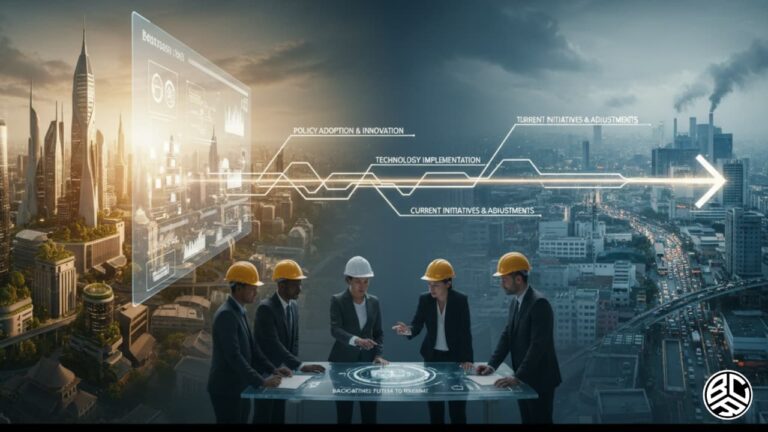


There’s something powerful about starting with a clear picture of the future and then working backward to figure out how to get there. That simple shift in thinking can change how teams plan, how ideas grow, and how problems get solved. A back casting room is built around that mindset, a space, physical or digital, designed for structured thinking, creative exploration, and long-term vision building.
Instead of reacting to what’s happening today, the focus moves to what should happen tomorrow. From there, every step becomes more intentional. Whether used by businesses, creative teams, consultants, or innovators, this concept creates a setting where ideas are not only imagined but mapped into real, achievable actions.
Understanding the Concept
At its core, the idea comes from the method known as backcasting, a planning approach that starts with defining a desirable future and then works backward to identify the steps needed to reach it. Unlike traditional forecasting, which predicts outcomes based on current trends, this approach encourages people to design outcomes first.
The space itself becomes more than just a meeting area. It’s where teams step out of daily routines and think long term. It’s where imagination meets structure. And most importantly, it’s where conversations are guided toward solutions rather than limitations.
Why Future-First Thinking Matters
Many organizations spend most of their time reacting to market shifts, solving immediate problems, or chasing short-term goals. While that keeps things moving, it rarely leads to breakthrough ideas.
Future-first thinking flips that pattern. It asks questions like:
- What does success look like five or ten years from now?
- What impact do we want to create?
- What needs to change to make that vision real?
When people start from the future, they’re more likely to challenge assumptions and explore new paths. The environment plays a big role in making that mindset possible, which is why a dedicated space matters.
Key Elements of an Effective Space
Not every meeting room can support this kind of thinking. The environment needs to encourage openness, creativity, and structured discussion.
1. A Clear Visual Setup
Whiteboards, digital screens, sticky notes, and visual mapping tools help teams see ideas evolve. When thoughts are visible, collaboration becomes easier and patterns emerge naturally.
2. Flexible Layout
Movable furniture, open seating, and collaborative tables allow people to shift between group discussions and focused work. Flexibility keeps energy flowing and prevents the space from feeling rigid.
3. Calm and Distraction-Free Atmosphere
A quiet environment helps people think deeply. Soft lighting, minimal noise, and comfortable seating can make long sessions more productive.
4. Tools for Collaboration
From digital brainstorming platforms to simple notebooks, the right tools ensure ideas are captured and refined instead of lost.
How the Process Typically Works
Sessions usually follow a structured flow that guides participants from vision to action.
Step 1: Define the Future Vision
Everything starts with clarity. Teams imagine a specific future scenario: a successful product launch, a sustainable business model, or a major transformation. The more detailed the vision, the better.
Step 2: Identify Milestones
Once the end goal is clear, participants work backward to identify key milestones that must happen along the way. These checkpoints create a roadmap.
Step 3: Map Actions
Each milestone is broken down into practical steps. Responsibilities, timelines, and resources are discussed so the plan becomes realistic.
Step 4: Evaluate Challenges
Potential obstacles are explored openly. This step helps teams prepare solutions before problems arise.
Step 5: Create an Action Plan
The session ends with a clear plan that connects present actions to the long-term vision.
Benefits for Organizations and Teams
Creating a dedicated environment for this type of planning brings several advantages.
Better Decision Making
When decisions are tied to a long-term vision, they become more strategic. Teams can evaluate choices based on whether they move the organization closer to its goals.
Stronger Alignment
Everyone involved shares a clear understanding of where the organization is heading. This alignment reduces confusion and improves collaboration.
More Innovative Ideas
Because participants are encouraged to think beyond current limitations, creativity naturally increases. New solutions often emerge when people feel free to explore possibilities.
Improved Problem Solving
Working backward helps teams identify risks early. Instead of reacting to issues, they can prepare for them.
Increased Motivation
When people see how their work contributes to a bigger picture, they feel more engaged and motivated.
Common Use Cases
This approach works across many industries because the core idea planning from a desired future is universal.
Business Strategy
Companies use it to plan growth, market expansion, or digital transformation. It helps leaders create clear roadmaps instead of relying only on forecasts.
Sustainability Planning
Organizations aiming to reduce environmental impact often use this method to map long-term sustainability goals and the steps required to achieve them.
Product Development
Teams can envision the ideal user experience first and then design features that lead toward that outcome.
Creative Projects
Film, media, and design teams can plan production timelines and creative direction more effectively by starting with the final vision.
Education and Research
Students and researchers use structured future planning to explore scenarios and develop solutions to complex problems.
Designing a Space That Inspires Ideas
The design doesn’t need to be expensive, but it should support creativity and focus.
Natural light can make the environment feel open and welcoming. Neutral colors help reduce visual noise, while a few bold accents can energize the space. Comfortable seating encourages longer, more productive sessions.
Adding visual boards, idea walls, or digital collaboration screens can make brainstorming sessions more dynamic. Even simple touches like plants or artwork can improve mood and encourage creative thinking.
Digital Spaces and Remote Collaboration
With remote work becoming more common, many teams now create virtual environments that replicate the experience. Digital whiteboards, video conferencing, and collaborative tools allow participants to share ideas from anywhere.
While the physical environment has its benefits, virtual spaces can be just as effective when sessions are well structured. The key is maintaining engagement and ensuring everyone has a chance to contribute.
Backcasting vs Traditional Planning
Traditional planning often starts with the present and moves forward step by step. While that approach is useful, it can limit creativity because it relies heavily on current conditions.
Backcasting begins with the end goal, which encourages more ambitious thinking. Instead of asking what’s likely to happen, it asks what should happen and how to make it possible.
This shift helps organizations move beyond incremental improvements and aim for meaningful change.
Challenges and How to Overcome Them
Like any planning method, this approach has challenges.
Some teams may struggle to think beyond current limitations. Facilitators can help by encouraging open discussion and reminding participants that the goal is exploration, not immediate practicality.
Time constraints can also be a challenge. Setting clear agendas and keeping sessions focused helps maintain productivity.
Another common issue is failing to follow through after the session. Turning ideas into actionable plans with clear responsibilities ensures momentum continues.
The Role of Facilitation
A skilled facilitator can make a big difference. They guide discussions, keep conversations on track, and ensure everyone’s voice is heard.
Good facilitators also help translate ideas into structured plans. They balance creativity with practicality so sessions remain productive without losing energy.
Building a Culture Around Long-Term Thinking
A single session can spark ideas, but lasting impact comes from making future-focused thinking part of the culture. Organizations that regularly hold planning sessions tend to stay more adaptable and innovative.
Encouraging teams to revisit goals, track progress, and adjust plans keeps the vision alive. Over time, this approach becomes a natural part of decision making rather than a one-time exercise.
Measuring Success
Success isn’t just about achieving the final vision. It’s also about how effectively teams collaborate, how clearly goals are defined, and how well plans adapt to change.
Tracking milestones, reviewing progress regularly, and gathering feedback help refine the process and improve future sessions.
Tips for Running Effective Sessions
Keep groups small enough to encourage participation but diverse enough to bring different perspectives. Set clear objectives before the session begins so discussions stay focused.
Encourage open communication and remind participants that all ideas are welcome. Document everything carefully so insights can be reviewed later.
Most importantly, end each session with clear next steps. Without action, even the best ideas can fade quickly.
Looking Ahead
As industries continue to evolve, the need for structured creativity and long-term thinking will only grow. Organizations that invest in dedicated environments for planning and collaboration are better prepared to navigate change.
The idea isn’t just about planning, it’s about creating clarity, encouraging innovation, and building a shared vision. When people step into a space designed for thoughtful discussion, they’re more likely to think bigger and act with purpose.
Final Thoughts
A space dedicated to future-focused planning brings structure to imagination and direction to ideas. It helps teams move beyond short-term thinking and create meaningful strategies that guide real progress.
By combining clear vision, collaborative tools, and structured discussion, organizations can turn ambitious goals into achievable plans. Over time, this approach not only improves decision making but also builds a culture of innovation and shared purpose.
When people gather with a clear goal and the right environment, ideas don’t just stay ideas they become the foundation for lasting change.
FAQs
What is a back casting room used for?
It’s typically used for future-focused planning sessions, workshops, and collaborative discussions where teams define a long-term goal and map the steps needed to achieve it. It helps create clear strategies and encourages creative thinking.
How is backcasting different from forecasting?
Forecasting starts with current trends and predicts what might happen next. Backcasting begins with a desired future outcome and works backward to identify the actions needed to reach that goal.
Who can benefit from using this type of planning space?
Businesses, creative teams, consultants, educators, startups, and sustainability planners can all benefit. Anyone who needs structured long-term planning can use this approach effectively.
What happens during a typical session?
Participants define a future vision, identify milestones, discuss possible challenges, and create an action plan. The process encourages open discussion and structured problem solving.
Do you need special equipment to set one up?
Not necessarily. Basic tools like whiteboards, sticky notes, digital collaboration platforms, and comfortable seating are usually enough to support productive sessions.
Can this concept work for remote teams?
Yes, virtual collaboration tools and digital whiteboards allow teams to run effective sessions online. The key is having a clear structure and active participation from everyone involved.
What are the main benefits of future-focused planning?
It improves decision making, aligns teams around shared goals, encourages innovation, and helps identify risks early so organizations can prepare better strategies.
How long should a planning session last?
Sessions can range from a few hours to a full day depending on the complexity of the goal. Shorter sessions work well for brainstorming, while longer workshops allow deeper planning.
How often should teams run planning sessions?
Many organizations hold them quarterly or annually, but the frequency depends on how quickly goals evolve. Regular sessions help keep teams aligned and focused on long-term success.
Follow BackCastingRoom.Com to stay updated on the latest stories, insights, and features you won’t want to miss.

M Adnan Akram is the founder and lead writer at Back Casting Room, where he covers celebrity biographies, family histories, and the lesser-known figures behind well-known names. His work focuses on separating verified public information from speculation, drawing on publicly available records, interviews, and credible reporting to build accurate, well-researched profiles.
With a particular interest in entertainment and pop culture, Adnan writes about everything from celebrity net worth breakdowns to the private individuals connected to famous names, the spouses, family members, and background figures whose stories rarely get told in full.
At Back Casting Room, the goal is straightforward: give readers accurate, well-sourced information without the clickbait or unverified claims that often surround celebrity-adjacent stories.